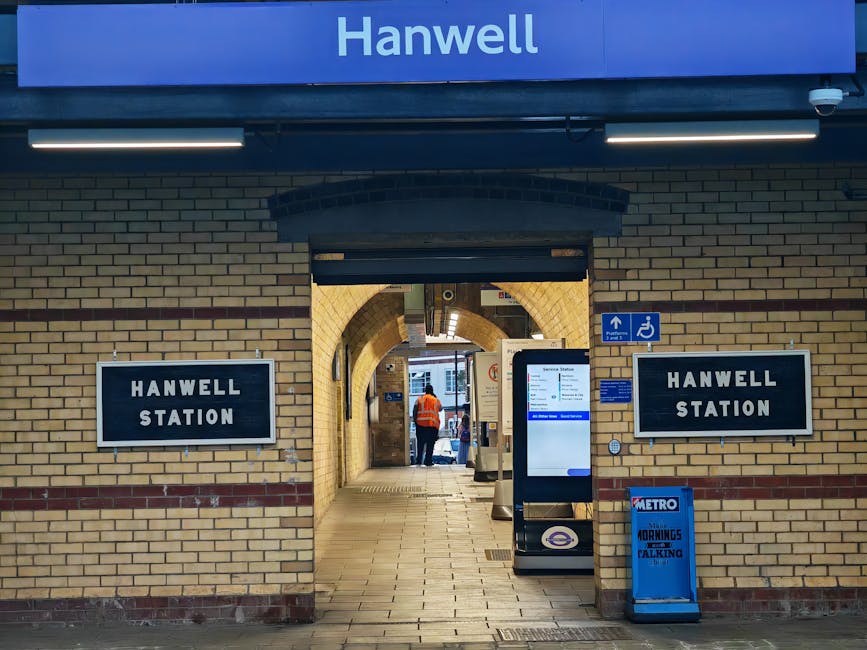



Plumstead Station Removals: Parking & Access Advice
Posted on 14/05/2026
Plumstead Station Removals: Parking & Access Advice
Moving near a station can feel straightforward on paper, then suddenly turn into a small puzzle with real-world consequences. Tight streets, commuter traffic, awkward loading bays, rail-side footfall, and nowhere obvious to stop for five minutes - it all adds up. This guide to Plumstead Station removals: parking & access advice is here to help you plan properly, avoid rushed decisions, and make the move feel calm rather than chaotic.
Whether you are moving from a flat close to the station, shifting furniture into storage, or coordinating a same-day move with a removal van, the details around parking and access matter more than people expect. A smooth loading plan can save time, reduce lifting risks, and spare you the classic "where on earth do we park?" moment at the worst possible time.
Below, you will find practical guidance on how station-area removals work, what to check in advance, how to avoid common mistakes, and when it makes sense to use a local service that knows the area. There is a bit of local reality here too - because in Plumstead, as in much of London, the difference between a tidy move and a stressful one is often just a well-planned stopping point.
Why Plumstead Station Removals: Parking & Access Advice Matters
Station-adjacent moves are rarely difficult because of the boxes alone. The real pressure comes from access. If the van cannot stop close enough, every item needs to be carried farther. That means more time, more effort, more risk of knocks and dropped corners. If you have ever tried carrying a wardrobe leg down a narrow pavement while a bus rolls past, you will know the feeling.
Parking advice matters because it affects almost everything else: how quickly the crew can work, whether heavy furniture can be moved safely, and how much disruption you create for neighbours, pedestrians, and traffic. In a busy part of Plumstead, a good parking plan often matters as much as the packing itself.
Access advice matters for a second reason too: it helps you choose the right service. A man with a van in Plumstead may be ideal for smaller, faster jobs, while a larger household move may need a more structured approach through house removals in Plumstead or even flat removals in Plumstead. The access situation often decides which option is genuinely the best fit.
There is also a trust angle. A mover who asks smart questions about parking, lift access, loading distance, stairwells, and timing is showing proper job planning. That is usually a good sign. Not a guarantee, of course, but a good sign.
How Plumstead Station Removals: Parking & Access Advice Works
At a practical level, the process is about reducing uncertainty before moving day. First, you work out where the vehicle can legally and safely stop. Then you map the route from vehicle to property entrance. After that, you think about the shape of the building, the width of paths or stairways, and any awkward barriers like bollards, shared gates, steps, or long internal corridors.
In a station area, timing matters too. The same stretch of road can be easy at 10:30 in the morning and awkward at school-run time or during the commuter rush. A move that starts too late can end up competing with deliveries, pedestrians, and local traffic. That is why local knowledge is so useful - it trims guesswork.
Access advice usually covers five things:
- Parking location - where the van can stop without causing a problem.
- Walking distance - how far items must be carried.
- Entry route - the path from the road to the front door or loading point.
- Property layout - stairs, lifts, narrow turns, intercoms, gates, or internal obstructions.
- Timing and coordination - whether the loading window needs to match traffic flow, neighbours, or building rules.
If the move involves larger items, it is worth checking specialist guidance in advance. For example, a heavy piano, a bulky sofa, or a wide mattress can make access problems more obvious very quickly. Helpful related reading includes the risks of DIY piano moving and bed and mattress moving tips. Those pieces are not just about lifting; they also show how access changes the whole job.
Key Benefits and Practical Advantages
Good parking and access planning brings benefits that are easy to underestimate until you have done a move the hard way. The first benefit is speed. Less distance between van and property means fewer trips and less idle time. That can make a noticeable difference on a small or medium move.
The second benefit is safety. Narrow entrances, uneven paving, and rushed carrying are where a lot of moving injuries and damage occur. Careful planning reduces the need for awkward lifting and twisting, which is why people often pair access planning with advice from our heavy object lifting guide. Truth be told, no one wants to be wrestling a chest of drawers while trying to dodge a passing cyclist.
The third benefit is better budgeting. If access is difficult, a job may take longer. That does not automatically mean it will be expensive, but it can affect the number of crew members, the size of van needed, and the time required. That is why transparent pricing and quotes matter so much. The more accurate your access details are, the more accurate the quote is likely to be.
Other practical advantages include:
- less stress on moving day
- fewer delays caused by last-minute parking changes
- lower risk of damage to walls, doors, or belongings
- better coordination with neighbours or building managers
- an easier experience for anyone moving with children, pets, or limited mobility
For many people, that calmer experience is the biggest benefit. The move may still be busy - obviously - but it feels organised instead of messy.
Who This Is For and When It Makes Sense
This advice is useful for almost anyone moving in or around the station area, but it is especially relevant in a few common situations. If you are moving from a flat with restricted street access, you will almost certainly need to think ahead about where the van can stop. The same applies if you are on a road with limited waiting space or you live near a junction where stopping for long periods would be awkward.
It is also useful if you are handling a more time-sensitive move. A same-day job, for instance, leaves less room for surprises. If that sounds familiar, the page on same-day removals in Plumstead is a sensible next stop. When time is tight, access planning becomes even more valuable.
You will find this especially helpful if you are:
- moving from a station-side flat or maisonette
- relocating a family home with larger furniture
- moving office equipment or stock near public transport routes
- placing items into storage in Plumstead
- working with a tight schedule and limited parking outside the property
- new to the area and unsure how local streets work in practice
Students and renters often need this advice too. A short-let move in a flat block can still be surprisingly fiddly if the building has restricted access or a shared entrance. If that is your situation, take a look at student removals in Plumstead and removals in Plumstead for broader context.
Step-by-Step Guidance
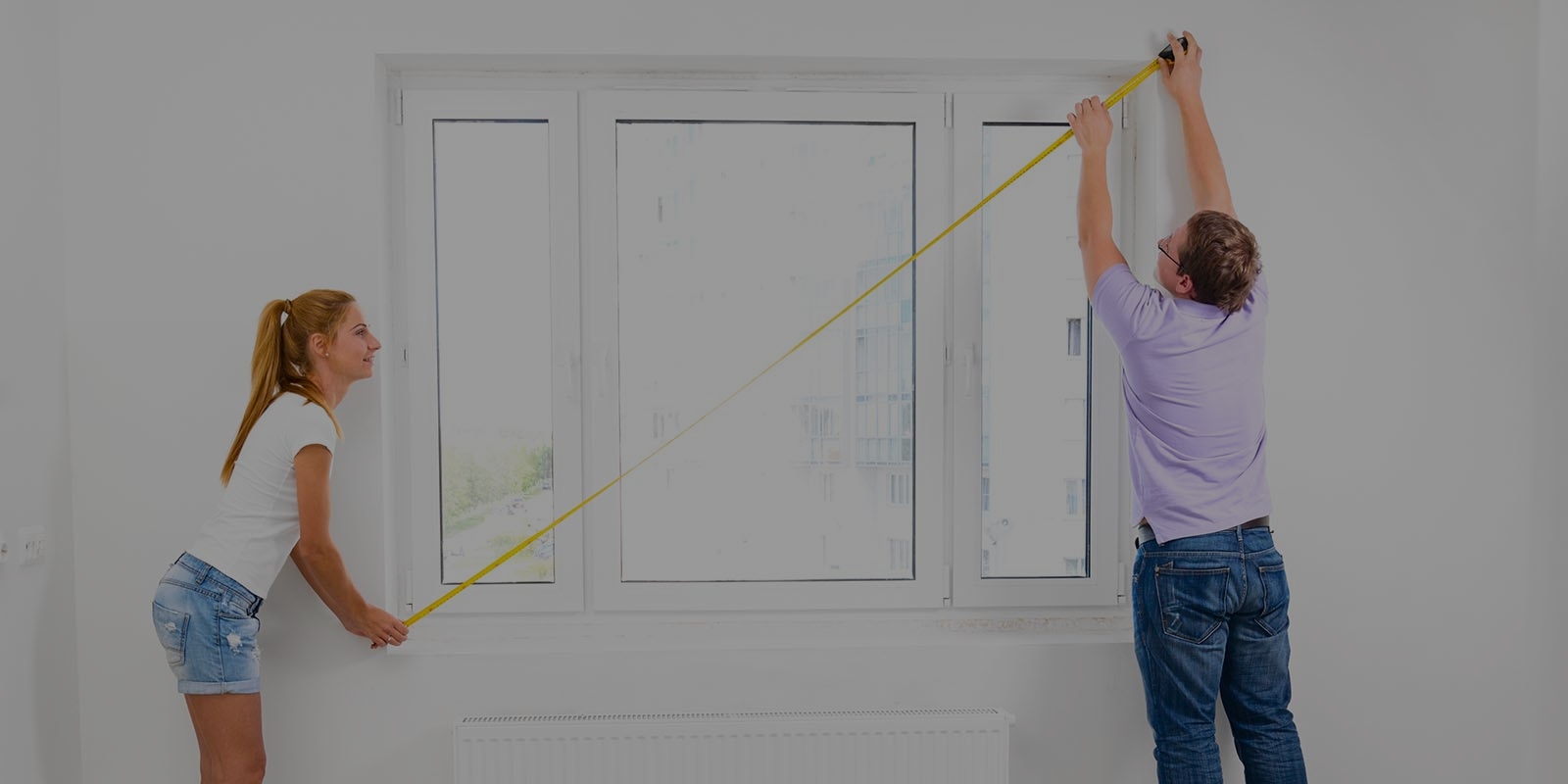
Here is a practical way to think through station-area access before moving day. You do not need a complicated spreadsheet. Just a clear plan and a few honest measurements. A tape measure and a ten-minute walk can save a lot of drama later.
- Check the road outside your property. Look at whether a van can stop safely, whether there are yellow lines, loading restrictions, bus stops, private access points, or resident-only parking bays.
- Measure the loading route. Note the distance from the likely parking spot to the door. If there are steps, narrow corners, or a long shared hallway, write that down.
- Inspect the biggest items. Sofas, beds, wardrobes, desks, and appliances are the usual troublemakers. Measure them before the move and compare them with door widths and stair turns. A little dull? Yes. Necessary? Very.
- Think about timing. Ask yourself when the road is busiest. A move starting early can be easier than one starting in the middle of the day, especially near commuter routes.
- Speak to neighbours or building management if needed. In blocks of flats, it is often worth warning residents or checking if a loading space can be kept clear for a short period.
- Share access details with your mover. Tell them about gates, codes, intercoms, lifts, floor level, parking restrictions, and anything else that could slow the job down.
- Prepare a fallback plan. If the first parking idea fails, what is the second-best option? Even a rough backup plan helps.
If you are also packing, the article on packing excellence for your upcoming move is worth a look. Packing properly makes access problems less painful because boxes are easier to stack, carry, and protect. It sounds obvious, but people forget it all the time.
A practical mini-example
Imagine you are moving from a first-floor flat close to the station with one sofa, a double bed, a dining table, and six boxes. If the van has to park half a street away, that sofa alone becomes a two-person carry over a longer route. Add a few trips and suddenly the move is taking longer than expected. With better parking, the same move may feel tidy and controlled. Same items. Different day, really.
Expert Tips for Better Results
A few small decisions make a disproportionate difference. The first is to treat access as part of the move, not an afterthought. People often spend ages on boxes and bubble wrap, then leave parking as a last-minute guess. That is backwards, to be fair.
Another useful tip is to separate "must-have" items from everything else before moving day. If there are items that can go into storage, donate piles, or recycling, clearing them out early can make access easier and reduce the number of trips. For decluttering guidance, see declutter like a pro before moving and the company's recycling and sustainability approach.
Here are a few expert-level habits that help in real life:
- Photograph the access route if the mover has not seen it before.
- Keep a clear landing area so items can be set down safely inside.
- Use proper labels so the crew knows what needs extra care.
- Leave a little breathing room around doors and hallways.
- Protect floor surfaces if you expect repeated foot traffic.
- Keep essentials separate so they do not get buried in the first wave of boxes.
If you have a sofa, mattress, freezer, or other bulky item in the mix, specialist preparation really helps. The useful guides on sofa storage success and safeguarding a freezer during non-use are practical references for keeping things in decent condition if the move includes a pause, storage, or delayed delivery.
And one more thing. If you are not sure whether a space is genuinely suitable, assume it is tighter than it looks. That habit saves people more often than not.
Common Mistakes to Avoid
Access problems are usually caused by avoidable assumptions. The most common one is assuming the van will "just fit somewhere." Sometimes it does. Sometimes it absolutely does not. A few minutes of checking is better than twenty minutes of circling the road while everyone gets twitchy.
Another common mistake is underestimating walking distance. A spot that looks "near enough" on a map may feel a lot longer when you are carrying boxes up steps or around corners. Long carry distances slow the job and increase the chance of dropped items or tired handling.
Here are the mistakes people make most often:
- not checking parking restrictions before the move
- forgetting to measure large furniture against doorways and stair turns
- failing to mention restricted access to the mover
- leaving boxes scattered around the entry point
- booking the wrong vehicle size for the access conditions
- ignoring building rules for loading or lift use
- assuming a station-area road will be quiet at any random hour
For particularly heavy or awkward items, another mistake is trying to "just get it done" without enough people or the right kit. That is where damage and strain happen. The article on solo heavy object lifting explains why the safe answer is sometimes the boring one: pause, reassess, and get help.
There is no prize for improvising badly. Honestly, no one remembers the brave attempt, they remember the scuffed wall and the sore back.
Tools, Resources and Recommendations
You do not need specialist equipment for every move, but a few simple tools make access management much easier. A tape measure is probably the most underrated moving tool in London. A door that "looks fine" can surprise you fast once a mattress starts turning sideways.
Useful tools and prep items include:
- Tape measure for doors, furniture, stair widths, and car boot space
- Mobile phone camera for photographing access points and parking signs
- Labels and marker pens for quick item identification
- Furniture blankets and straps for safer handling during loading
- Protective floor coverings if repeated trips will cross the same hallway
- Strong boxes and packing materials from packing and boxes in Plumstead
If your move involves furniture that will not be used immediately, you may also want to coordinate with furniture removals in Plumstead or arrange local storage in advance. That way, access at the new property is not overloaded with too many items at once.
For people who prefer a straightforward one-point-contact approach, removal services in Plumstead and the broader services overview are useful places to compare what is available. If you want to speak directly with a local team, the contact page is the natural next step.
Law, Compliance, Standards, or Best Practice
Parking and access advice is not just about convenience. In the UK, movers and customers both need to respect road rules, property access arrangements, and safety expectations. That means not stopping where you should not, not blocking emergency access, and not creating avoidable hazards for pedestrians or neighbours.
Depending on the street and the timing, parking may be affected by local restrictions, resident permits, loading rules, or yellow line controls. If you are unsure, it is sensible to check locally rather than assume. This is especially true near transport hubs where traffic patterns can be less forgiving than they look in a quick visit.
Best practice in removals usually includes the following:
- clear communication about access before moving day
- honest disclosure of obstacles, stairs, or walking distance
- safe manual handling and proper lifting technique
- respect for building rules and shared spaces
- careful use of equipment and sensible team sizing
Safety and insurance should also be part of the decision. A reputable provider should be willing to talk about how they handle risk, damage prevention, and job planning. For more on that side of things, see insurance and safety and the health and safety policy. If you are comparing providers, the removal companies in Plumstead page may also help you think through your options.
And yes, sometimes the best compliance advice is simply: slow down, check the sign, and do not wing it.
Options, Methods, or Comparison Table
Not every move near Plumstead Station needs the same level of planning. The right choice depends on your volume, access, schedule, and how much lifting you want to handle yourself. Here is a simple comparison to help you think it through.
| Option | Best for | Access impact | Typical advantage | Watch out for |
|---|---|---|---|---|
| Man and van | Small to medium moves, quick jobs, flexible timing | Good where parking is tight and loading is relatively simple | Often efficient and straightforward | May be less suitable for very bulky or multi-room moves |
| Full house removal | Larger homes, families, more furniture | Better when access needs more planning and manpower | More support for heavy or awkward items | Requires clearer advance information |
| Flat removal | Apartment moves, stair-heavy properties, compact spaces | Useful where staircases, shared hallways, or lifts affect loading | Tailored to building access challenges | Timing and parking may need close coordination |
| Self-managed move | Very small moves or budget-led situations | Most sensitive to access mistakes because you carry the risk yourself | Can be flexible if everything is simple | Higher chance of delays or strain if parking is poor |
If you are leaning toward a more hands-on approach, the man and van in Plumstead page gives a useful sense of a lighter-service option. If the move is more substantial, a proper removal van in Plumstead may be the more practical route.
Case Study or Real-World Example
Here is a realistic local-style scenario. A renter in a first-floor flat near the station needs to move out on a Friday afternoon. They have a bed, a desk, a sofa, a TV unit, and several boxes. The first instinct is to park as close as possible to the entrance and hope for the best. But the road is busier than expected, there is limited stopping space, and a van parked carelessly would create pressure for everyone.
Instead, the move is planned with a slightly earlier start time, a clear loading point is identified, and the customer warns the mover that the hallway is narrow and the sofa turns awkwardly on the landing. That tiny detail matters. The sofa is wrapped, the route is cleared, and the loading is done in a calm sequence rather than a frantic shuffle. No heroics. No drama. Just a move that works.
That is the real lesson. A good access plan does not need to be elaborate. It just needs to be honest and specific. If you tell the mover what the space is actually like, they can plan around it - and that usually improves the whole day.
In more complex cases, especially where items are staying in storage first, it can help to read more about storage in Plumstead and how to keep a house move calmer. Small adjustments in timing and organisation can make a surprisingly big difference.
Practical Checklist
Use this checklist a day or two before moving day. It is deliberately simple, because complicated checklists tend to get ignored. Better a short one that gets done than a perfect one that stays on the fridge.
- Confirm where the van can legally stop near the property
- Check for loading restrictions, permit zones, or time limits
- Measure the largest furniture and compare it to doorways and turns
- Note stairs, lifts, narrow hallways, gates, or intercom access
- Tell the mover about any obstacles or long carrying distances
- Keep access routes clear inside and outside the property
- Separate essential items you need on arrival
- Arrange help for heavy or awkward furniture if needed
- Prepare a backup parking idea in case the first one is unavailable
- Keep phone numbers handy in case timing needs a quick adjustment
Expert summary: in station-area removals, parking is not a side issue. It is part of the job design. If the vehicle can stop sensibly and the route is clear, everything else tends to feel easier - packing, lifting, timing, even your stress level. That is the bit people notice most when it goes well.
Conclusion
Plumstead Station removals work best when parking and access are planned early, described clearly, and treated with the same care as the packing itself. It is the sort of detail that can seem minor right up until the moving van arrives and everyone has to make decisions in real time. Then it becomes very important, very quickly.
If you remember only one thing, let it be this: the smoother the access, the smoother the move. Good planning protects your belongings, saves time, and makes the day feel far less stressful. And if the move is near the station, a local team that understands the area can be worth its weight in box tape.
When you are ready to take the next step, explore the service pages, check the guidance that fits your move, and speak with a local team that can help you plan the details properly. It is a small bit of prep, but it pays off. Usually more than people expect.
Get a free quote today and see how much you can save.