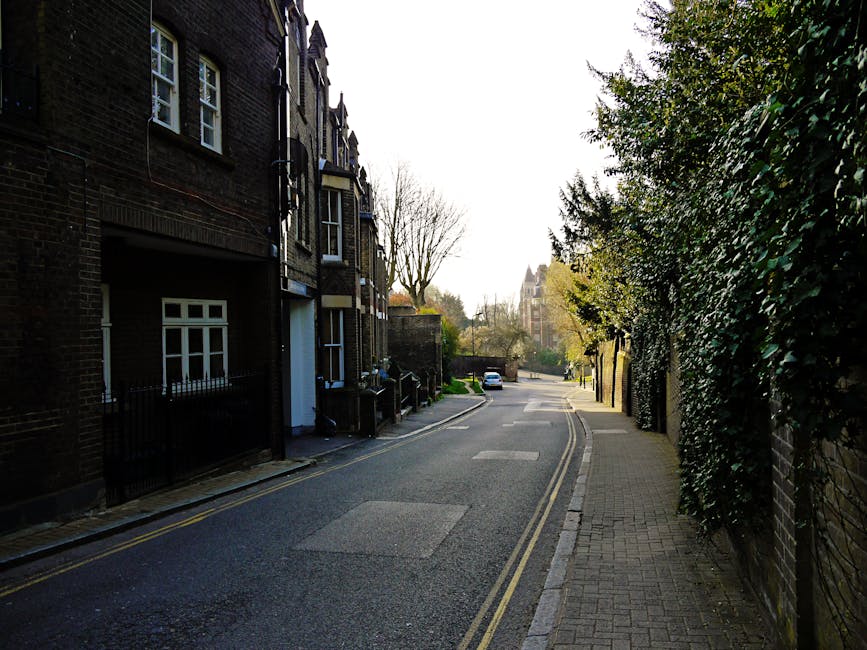



Narrow-Street Moves: Navigating Plumstead's Terraced Lanes
Posted on 26/06/2026
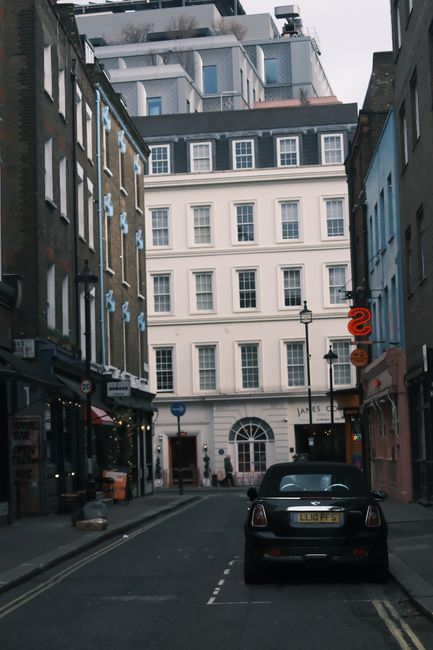
If you have ever tried to squeeze a van past parked cars on a tight residential street, you will know the feeling: one wrong angle, a quick sigh, and suddenly the whole move feels harder than it should. That is exactly why Narrow-Street Moves: Navigating Plumstead's Terraced Lanes deserves a proper plan. Plumstead's terraced roads and lane-like streets can be perfectly manageable, but they reward preparation, calm timing, and a few practical decisions made before the first box is lifted.
This guide breaks down what narrow-street moving really involves, why it matters in Plumstead, and how to make the whole process smoother without turning the day into a logistical puzzle. You will find clear steps, common mistakes, a comparison of practical methods, and a realistic checklist you can actually use. Let's make the move feel less like a squeeze and more like a system.
Why Narrow-Street Moves: Navigating Plumstead's Terraced Lanes Matters
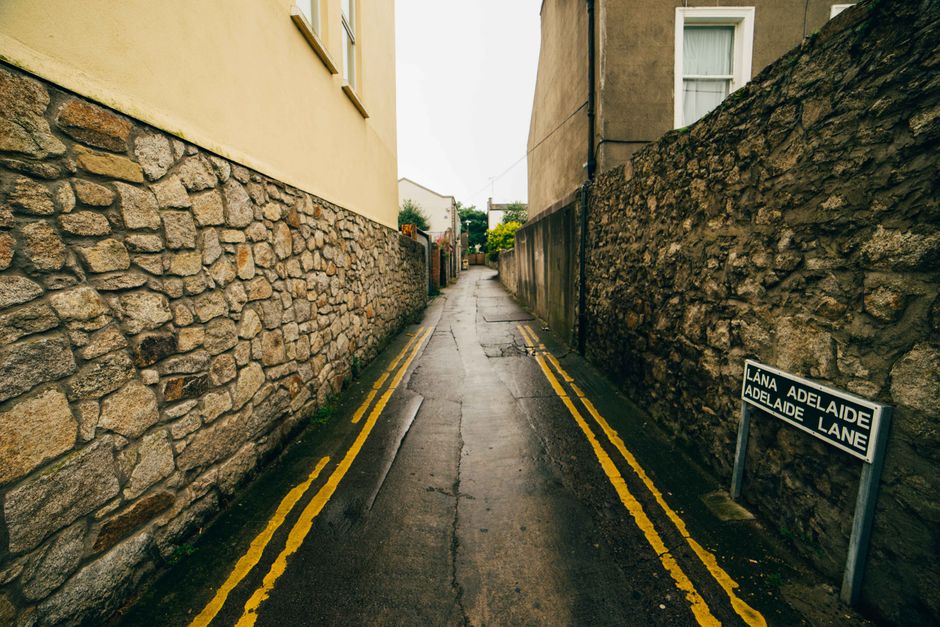
Plumstead has plenty of streets where the road layout is not especially forgiving. Terraced housing often means limited frontage, on-street parking, narrow access, and not much room to turn a van once it is in place. For a moving team, that changes everything. The same job that looks straightforward on paper can become slow, awkward, and stressful if the access plan is vague.
The issue is not just convenience. Narrow access affects loading time, lift distances, neighbour disruption, and the risk of damage to furniture, door frames, cars, or paving. It can also affect your ability to park legally and safely for long enough to complete the job. In real terms, that means a move can run late simply because the van could not get close enough to the door. And yes, sometimes the frustrating bit is not the lifting at all; it is the 15 minutes spent deciding where the van can actually sit.
That is why local moving knowledge matters. A street in Plumstead may look manageable to a driver from outside the area, but locals know the difference between a street that allows a clean run and one where you need a tighter, more flexible plan. If you are preparing a full household move, the broad principles in our house removals Plumstead service guidance and the practical packing advice in achieving packing excellence for your upcoming move are a useful starting point.
Practical takeaway: narrow-street moving is less about brute force and more about access control, timing, and reducing the number of unnecessary trips.
How Narrow-Street Moves: Navigating Plumstead's Terraced Lanes Works
At a basic level, a narrow-street move works by reducing friction. The goal is to get the vehicle as close as safely possible, move items in a controlled sequence, and avoid situations where the van blocks traffic or the team has to carry everything farther than necessary.
In practice, the move usually breaks into four parts:
- Access check: Measure the street width, look for parking pinch points, note any bends, and identify where the van can stop without causing a problem.
- Load planning: Pack the van in the right order so the heaviest and most awkward items are accessible, not trapped under smaller boxes.
- Short-carry strategy: Use trolleys, shoulder straps, and clear pathways to minimise carrying distance from door to vehicle.
- Traffic-aware timing: Move at a time that reduces parked-car congestion, school-run pressure, and the likelihood of having to reposition the van repeatedly.
That sounds simple, but the detail matters. A terraced lane may have a parking gap that is technically usable yet still awkward because the rear doors cannot open fully. Or the road may be passable, but a low branch, a tight corner, or a neighbour's car means the van must sit a little further away. Those small things add up fast.
If you are moving furniture, particularly larger pieces, it helps to separate items by handling difficulty. Sofas, wardrobes, beds, and white goods should be planned around the access reality, not treated like just another box. The articles on furniture removals Plumstead and innovative bed and mattress moving tips for homeowners fit neatly with this way of thinking.
Key Benefits and Practical Advantages
A good narrow-street moving plan does more than prevent stress. It makes the whole day faster, safer, and more predictable. That is the real value.
- Less carrying distance: The shorter the walk from door to van, the lower the physical strain and the lower the risk of bumps and scrapes.
- Cleaner timing: Fewer repositioning delays means a more realistic schedule, which helps if you are handing over keys or fitting into a removal slot.
- Lower damage risk: Careful route planning reduces the chance of scuffed walls, clipped mirrors, and strained lifting.
- Better neighbour relations: A tidy, respectful loading plan is less disruptive than blocking a lane for ages or leaving items spilling across the pavement.
- More efficient van use: When the access is planned properly, the load can be organised in a way that makes unloading quicker at the other end too.
There is also a quieter benefit: confidence. People often feel far calmer once they can see the moving plan in simple steps. That can make a huge difference on moving day, especially if there are children, pets, or a long list of small jobs competing for attention. Truth be told, a calm move rarely happens by accident.
If your move includes items that need special care or storage before or after the journey, you may also find it useful to review storage options in Plumstead and the practical notes in professional tips for sofa storage success.
Who This Is For and When It Makes Sense
Narrow-street moving is relevant to anyone living on Plumstead's tighter terraced roads, but it is especially useful for a few groups.
Home movers on terraced streets
If you are moving from a property where the front door opens almost straight onto the pavement, access planning becomes part of the job itself. This is common in terraced housing, where even a small delay can create a queue of parked cars or neighbour complaints. A measured approach helps keep the day steady.
Flat and upper-floor residents
Stairs, shared entrances, and narrow hallways can turn a simple move into a careful hand-carry operation. For that reason, many flat moves benefit from dedicated planning and a vehicle that can get in and out quickly. Our flat removals Plumstead page is relevant if that sounds familiar.
Students and short-notice movers
Students or renters with limited time often need a move that is compact and efficient. If the street is narrow, the best move is usually the one that is ruthlessly organised rather than ambitious. If you are short on time, it may be worth looking at student removals Plumstead or even same day removals Plumstead when availability is tight.
Anyone with large or awkward items
Furniture, pianos, mattresses, and bulky appliances are where narrow access gets tricky. These items do not forgive bad angles. They need clear routes, decent lifting technique, and a van positioned thoughtfully. For heavier lifting, the advice in the how-to of solo heavy object lifting is worth reading before you even start planning the route.
Step-by-Step Guidance
Here is a practical approach that works well for Plumstead's tighter lanes. It is not glamorous, but it is solid.
- Survey the street before move day. Walk the route from property to parking spot. Look for low branches, tight corners, dropped kerbs, bin positions, and any section where two vehicles would struggle to pass.
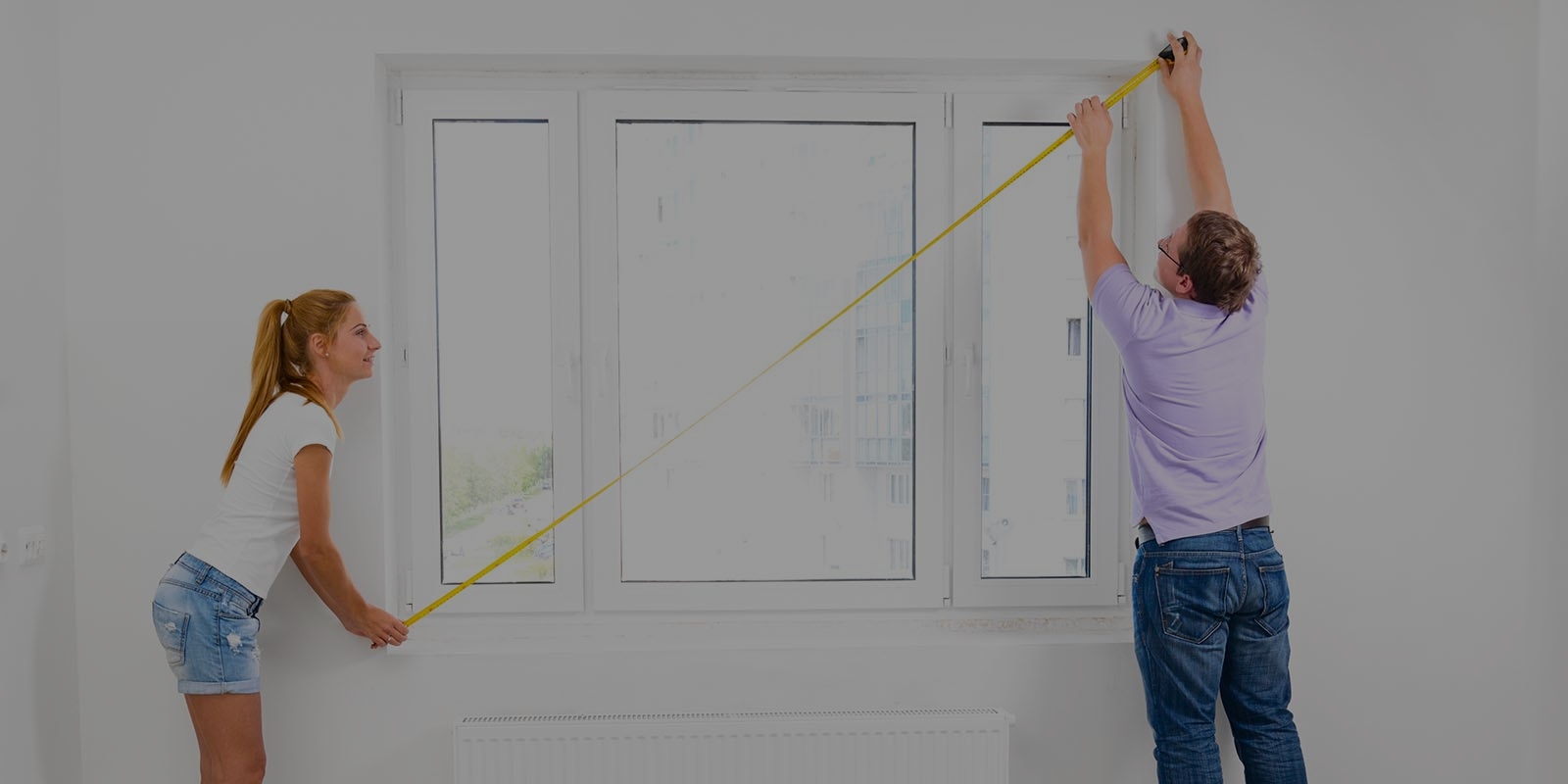
- Measure the awkward bits. If you have a sofa, wardrobe, or bed frame, measure the widest point. Then measure doors, hallways, and stair turns. A lot of trouble is caused by assumptions. Not measurements.
- Choose the right vehicle size. A smaller van may be easier to place in a narrow lane, even if it means more careful loading. Bigger is not always better. That's the honest answer.
- Pack in access order. Items likely to be needed first should be loaded last or placed near the door of the van. Keep screws, fittings, and labels with the item they belong to.
- Protect surfaces. Use blankets, corner guards, and simple doorway protection where needed. In narrow corridors, even one careless turn can mark a wall.
- Stage items near the exit. If space allows, create a small staging area inside the property so each item can be moved once, not dragged around the room three times.
- Keep the pavement clear. Try to avoid placing boxes or dismantled parts where pedestrians have to weave around them. It keeps the move safer and less tense.
- Load methodically. Heaviest items go first, then stable mid-weight items, then lighter boxes and soft goods to fill gaps.
- Check the route at the destination too. A narrow street at pickup is one thing; a narrow stairwell at drop-off is another. Plan both ends, not just the first one.
If your move has multiple stages, such as temporary storage or staggered handover dates, a quick read of declutter like a pro pre-moving tips can help reduce the number of loads you need to manage.
Expert Tips for Better Results
A few small improvements can make a surprising difference in narrow-street conditions. These are the kinds of details people usually learn the hard way. Better to borrow them now.
- Use early morning or quieter windows if possible. Streets often feel easier before the day fills up with parked cars and delivery vans.
- Keep a spare parking plan. If your first spot is occupied, you need a second option quickly. Standing around debating it is where time leaks away.
- Prioritise quick-grab items. Put things like tool kits, kettle items, and essential documents somewhere you can reach them without unpacking half the van.
- Disassemble more than you think you need to. A piece that is "probably fine" in one room can be a nightmare in a tight hallway.
- Label by destination room. This saves steps later, especially if the street access means you have had to load in a rush.
- Use realistic carry weights. Narrow pavements and parked cars reduce your margin for error, so don't overpack boxes. Your shoulders will thank you.
One simple but overlooked tip: if there is a chance you will need to reverse or reposition the van more than once, build that possibility into the schedule from the start. It is better to have 20 minutes spare than to be muttering under your breath at 3:40 p.m. with a mattress half-out of the doorway. We have all seen that scene.
For furniture-specific handling, the guides on DIY piano moving hidden dangers unveiled and bed and mattress moving tips are useful examples of why planning beats improvisation.
Common Mistakes to Avoid
Most problems in narrow-street moves come from a fairly short list of avoidable mistakes. The good news? Once you know them, they are much easier to sidestep.
- Assuming the van will fit anywhere. Narrow roads often demand a specific angle, not just a driver with patience.
- Packing boxes too heavy. This becomes a bigger issue when carrying distances are longer or when turning corners in a tight hallway.
- Ignoring parking pressure. If the street is already half full, a move without a backup plan can go sideways very quickly.
- Leaving dismantling until the last minute. That bedside table that "only needs a minute" often needs more than a minute. Funny how that works.
- Skipping a route check. A quick walk-through can reveal a wheelie-bin obstruction, a tricky step, or a narrow bend that would otherwise surprise you.
- Not telling neighbours. A small courtesy note or conversation can make the day smoother and reduce friction.
- Trying to carry too much at once. In tight spaces, speed is not always the same as efficiency.
There is also the common habit of treating every street in Plumstead the same. They are not the same. Some terraced lanes are reasonably forgiving; others are best approached with a small van, a steady plan, and a bit of humility.
Tools, Resources and Recommendations
You do not need a van full of gadgets to manage a narrow-street move well. Still, a few basic tools are genuinely helpful.
| Tool / Resource | Why It Helps | Best Use |
|---|---|---|
| Furniture blankets | Protect edges and finishes during tight turns | Doorways, stairwells, van loading |
| Removal straps | Improve control when carrying awkward items | Heavy furniture and appliances |
| Wheel trolley | Reduces repeated lifting | Short carries on smoother surfaces |
| Labels and markers | Makes unloading faster and more organised | Boxes, dismantled furniture, room sorting |
| Measuring tape | Prevents avoidable access surprises | Doorways, halls, furniture widths |
For people who want a more hands-off experience, it can make sense to review the broader moving support available through removal services Plumstead, man and van Plumstead, or man with a van Plumstead. If the job is mostly furniture-heavy, furniture removals Plumstead may be the more suitable fit.
And if packing is the part you dread most, which is fair enough, the practical pointers in packing and boxes Plumstead and achieving packing excellence for your upcoming move can save a lot of last-minute chaos.
Law, Compliance, Standards, or Best Practice
For moves in narrow residential streets, the main compliance issue is usually not a special moving law. It is simply doing things safely and lawfully: parking considerately, avoiding unnecessary obstruction, and handling goods in a way that reduces risk to people and property.
In the UK, you should assume that local parking restrictions, access rules, dropped kerbs, and pedestrian safety all matter. Where a van stops can affect neighbours, emergency access, and the smooth flow of the road. That is why it is sensible to check the local situation in advance rather than arriving and hoping for the best. Hope is not a strategy, as they say.
Good moving practice also includes safe lifting, teamwork, and clear communication. If a job involves heavy or awkward items, it is better to reduce risk with the right equipment and enough people than to force a difficult lift. Our insurance and safety information, along with the health and safety policy, reflects that general approach.
For customers, the key point is simple: choose a mover who understands access constraints and works in a tidy, careful, and transparent way. That may sound basic, but basic done well is often what prevents the headaches.
Options, Methods, or Comparison Table
There are a few common ways to handle a move in Plumstead's tighter terraced lanes. The right choice depends on volume, item size, time pressure, and how awkward the access is.
| Method | Best For | Pros | Trade-offs |
|---|---|---|---|
| Small van with short-carry loading | Very tight streets, smaller loads | Easier parking, simpler access, often quicker positioning | May need more trips or tighter packing |
| Standard van with a planned parking slot | Medium household moves | Good balance of capacity and access | Requires better timing and traffic awareness |
| Assisted man-and-van move | People who want loading support | Less lifting stress, more efficient handling | Needs more coordination and clear instructions |
| Full removal service | Larger homes, complex access, heavy furniture | Most organised approach, reduced workload for you | Usually more planning-intensive |
There is no single "best" answer. A compact flat move might be faster with a van that can tuck neatly into a gap, while a larger family move may need a more structured service and more time on the clock. If you are unsure, a service overview like services overview can help you compare the practical shape of the job before booking.
Case Study or Real-World Example
Here is a realistic example from the kind of move that comes up all the time in Plumstead.
A tenant moving out of a terraced street had a two-bedroom flat, a sofa, a bed frame, a freezer, and around 20 boxes. The street was narrow enough that only one side could be used safely for loading, and parked cars meant the van could not sit directly outside the front door. Instead of trying to force a "perfect" setup, the move was handled in a sequence.
First, the heaviest items were brought to the front room the evening before. Then the van was parked at the nearest safe point, not the closest possible point. The loading order was reversed so the biggest items went in first and the boxes filled the remaining spaces. A trolley was used for the freezer, and the mattress was wrapped before the route through the hall. The result was not flashy. It was just efficient. The move finished without anyone rushing, the street stayed passable, and there were no awkward last-minute arguments over whether the sofa would fit through the doorway. Small victory, but a good one.
That is the point of narrow-street planning. It is rarely about dramatic effort. It is about making ordinary steps easier so the whole day stays under control.
Practical Checklist
Use this checklist before moving day. It keeps the process grounded.
- Measure furniture, doors, and stair turns
- Check whether the van can stop safely near the property
- Look for parking restrictions or likely bottlenecks
- Tell neighbours if the street is especially tight
- Disassemble bulky furniture where needed
- Wrap fragile or valuable items properly
- Label boxes by room and priority
- Keep essentials separate and easy to reach
- Plan a backup parking spot
- Use a trolley or straps for awkward loads
- Build in time for repositioning the van
- Confirm access at both collection and delivery addresses
If you are still getting organised, the decluttering advice in declutter like a pro pre-moving tips and the practical storage guidance in storage in Plumstead can help reduce what you need to move at all.
Conclusion
Narrow-street moves in Plumstead are not difficult because they are impossible; they are difficult when people treat them like standard driveway moves. Terraced lanes ask for a bit more patience, a bit more measuring, and a lot more realism about access. Once you plan around the street rather than against it, the whole process becomes calmer and more manageable.
So if your move is coming up, focus on the basics: size the route, choose the right vehicle, pack for access, and keep the day flexible enough to absorb small delays. That combination does most of the heavy lifting, honestly.
Get a free quote today and see how much you can save.
And if you want to know who is behind the service, you can learn more on the about us page, or contact the team when you are ready to talk through the details. A well-planned move has a quiet kind of confidence to it, and that is a nice feeling to finish on.