


Moving From Woolwich Road to Plumstead Common: Tips
Posted on 06/05/2026
Moving From Woolwich Road to Plumstead Common: Tips for a Smooth Local Move
If you are planning a move from Woolwich Road to Plumstead Common, the distance may look small on a map, but the details can still trip you up. Parking, packing, awkward furniture, last-minute cleaning, and timing all have a way of turning a short move into a stressful day. The good news? With the right preparation, Moving From Woolwich Road to Plumstead Common: Tips can be simple, efficient, and far less tiring than most people expect.
This guide walks you through the practical side of a local move in a way that actually helps. You will find planning advice, packing strategy, safety tips, comparison points, and a realistic step-by-step approach for moving without the usual chaos. If you want a calmer experience, this is a solid place to start.
Why Moving From Woolwich Road to Plumstead Common: Tips Matters
Local moves often sound easy because the mileage is short. But short does not automatically mean straightforward. A move from Woolwich Road to Plumstead Common can still involve tight access, narrow time windows, shared entrances, upstairs flats, or a van that has to wait while you shuffle a sofa through a corridor that was clearly designed by someone who never owned a sofa. Sound familiar?
That is why planning matters. A small move is usually where people become overconfident, and that is when boxes get mixed up, fragile items get damaged, and moving day becomes a series of tiny delays that stack into a long one. Even a modest move benefits from structure: clear packing, sensible scheduling, and the right transport setup.
There is another reason this topic matters. Woolwich Road and Plumstead Common sit within a busy part of southeast London, where road layout, parking pressure, and building access can affect how smoothly a removal goes. A well-organised approach can save time, reduce lifting, and lower the risk of damage to furniture, walls, and your own back. Truth be told, the back is often the first thing people forget about.
If you are still comparing service types, it can help to look at removals in Plumstead and broader removal services so you can match the move size to the support you actually need. That small bit of homework pays off.
How Moving From Woolwich Road to Plumstead Common: Tips Works
The process is really about turning a move into a series of manageable steps. Instead of treating it like one huge task, break it into planning, sorting, packing, loading, transport, unloading, and settling in. Once you do that, the whole thing feels less like a mountain and more like a set of ordinary jobs done in the right order.
For a local move, the basics usually look like this:
- Assess the property layouts at both ends. Stairs, lifts, parking, and door widths all matter.
- Declutter before packing so you are not paying to move things you no longer use.
- Pack by room and priority so unpacking is not a scavenger hunt.
- Reserve the right transport based on volume and access, not guesswork.
- Protect fragile and bulky items with the right materials and lifting methods.
- Plan arrival timing so unloading happens smoothly and without pressure.
That structure sounds simple, and it is. But the difference between a rushed move and a calm one usually comes down to whether you prepared the little things: tape, labels, floor protection, fridge contents, keys, and a clear final sweep of the old place. Those tiny details are where moves are won.
For packing help, it is worth reading packing tips for a better move and, if you are dealing with bulky household items, the guidance on moving beds and mattresses safely. These are the kinds of practical details people often wish they had read the night before.
Key Benefits and Practical Advantages
A well-planned local move offers real advantages beyond just saving time. Yes, speed matters. But so do comfort, organisation, and protecting your belongings. A thoughtful move from Woolwich Road to Plumstead Common can give you all of that.
- Lower stress: You know what is happening, when, and why.
- Less physical strain: Good packing and proper lifting reduce injury risk.
- Better protection for belongings: Proper wrapping and loading prevent damage.
- Faster settling in: Items are easier to find, unpack, and use.
- More control over cost: Efficient planning can reduce unnecessary time and labour.
One thing people often underestimate is how much energy they save when items are grouped sensibly. If your kettle, mugs, chargers, and basic toiletries are packed in one clearly marked box, the first night in the new home feels a lot less like camping in a room full of cardboard.
There is also a financial angle. If you are renting, a well-executed move helps you leave the property clean and orderly, which may support a smoother handover. For that side of things, our guide on security deposit cleaning tips is genuinely useful. Small efforts, big payoff.
If you want extra help with bulky items, a dedicated furniture removals service in Plumstead can make the move feel much less physically demanding. Not every job needs a full crew, but some items really do.
Who This Is For and When It Makes Sense
This kind of move suits more people than you might think. It is not only for homeowners shifting a full family house. In fact, local moves are often the ones where a smart, flexible setup helps the most.
- Renters moving between nearby flats or houses
- Homeowners relocating within the same district
- Students moving at term change or between shared houses
- Couples combining households and needing careful sorting
- People with bulky items such as sofas, wardrobes, or pianos
- Anyone on a deadline who needs the move done efficiently
It also makes sense if you are trying to minimise disruption. Maybe you work from home and cannot spend two days surrounded by boxes. Maybe you have children or pets and want the move handled in a contained way. Or maybe you just do not want to turn a Saturday into a long, exhausting saga. Fair enough.
If you are moving out of a smaller property, flat removals in Plumstead can be a better fit than a bigger house-move setup. Likewise, for students heading to a new rental, student removals are usually the most practical option.
Sometimes people also need speed more than anything else. If plans change suddenly, same-day removals in Plumstead can be worth exploring, especially when timing is tight and the keys are in your hand already.
Step-by-Step Guidance
Here is a practical step-by-step route that works well for a short move like this. Nothing flashy. Just the stuff that keeps the day on track.
1. Start with a property-by-property check
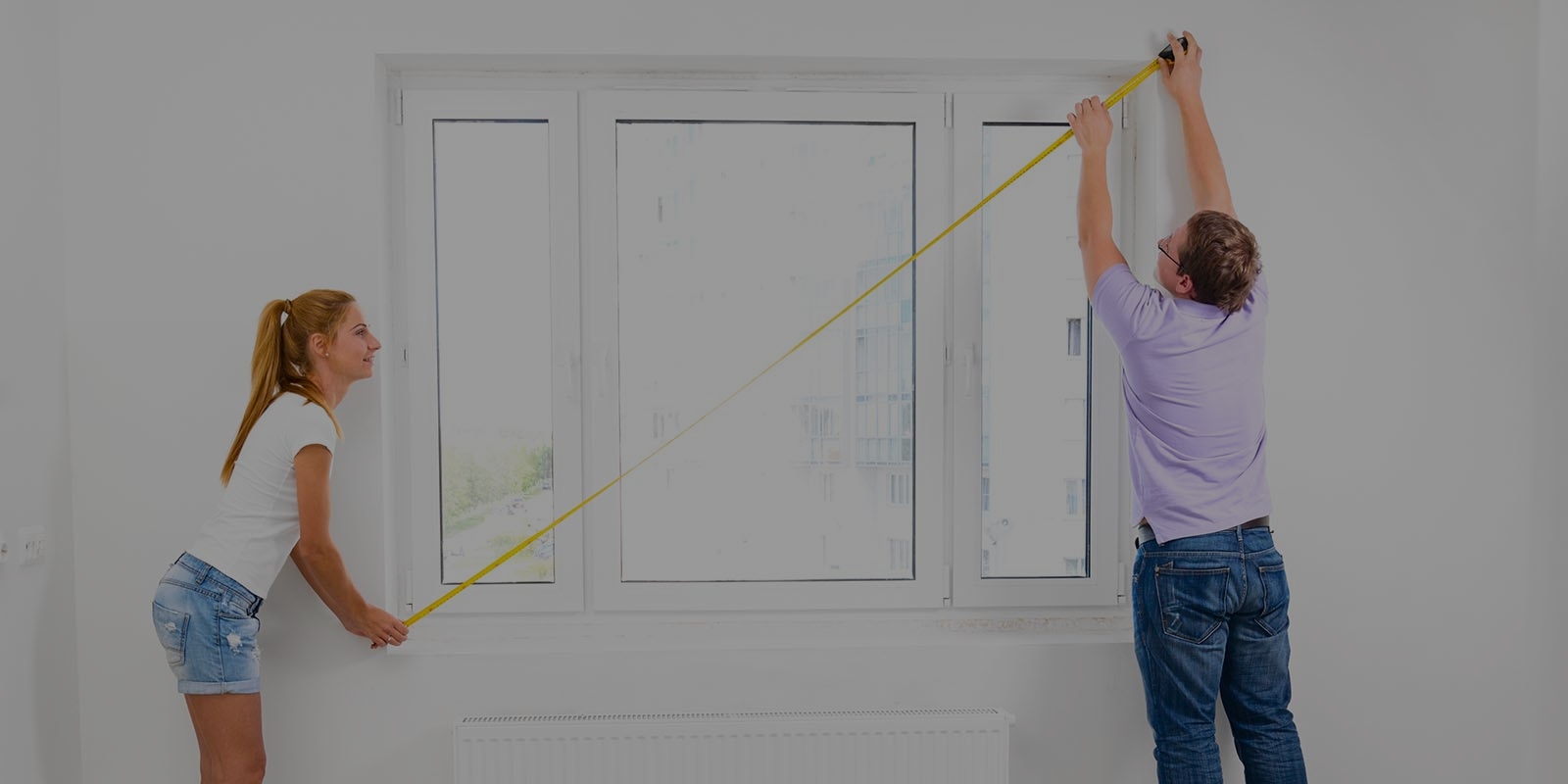
Walk through both homes and note anything that could slow the move. Think parking, staircases, tight turns, low ceilings, shared hallways, and whether the largest items can actually leave the building without damage. It is amazing how often a wardrobe is measured only after the panic starts.
2. Decide what is coming with you
Before a single box is taped shut, separate keep, donate, recycle, and discard piles. If you have not used something in a year, be honest with yourself. Letting go of a few things now means fewer boxes later. Our pre-moving decluttering tips can make this part much easier.
3. Gather the right packing materials
Strong boxes, tape, packing paper, bubble wrap, covers, and labels all matter. Do not rely on supermarket leftovers for everything. They can be useful, sure, but a move goes more smoothly when the boxes are uniform and stack well. For supplies, see packing and boxes in Plumstead.
4. Pack room by room
Keep each room together and label every box with both the room and a quick content note. For example: "Kitchen - mugs, tea, kettle cable." That tiny level of detail saves a lot of searching later. If you are packing fragile items, keep weight sensible. Heavy at the bottom, light at the top. Old wisdom, still true.
5. Prepare awkward items early
Large sofas, mattresses, freezers, and pianos need a different approach. They are not just big boxes. They can be awkward, heavy, and vulnerable to damage. A little early planning helps a lot, especially if something has to be disassembled or stored temporarily. If you need support with white goods, how to safeguard a freezer during non-use is worth a look, as is sofa storage advice for bulkier soft furnishings.
6. Load in a sensible order
Heavier boxes and furniture should go in first, with fragile items secured and wedged so they cannot shift. Use straps or blankets where needed. The aim is not just to fit everything in; it is to keep everything stable while the van moves through traffic and corners.
7. Leave a first-night essentials bag
Keep documents, medication, chargers, toilet rolls, snacks, keys, basic tools, and a change of clothes to one side. That little bag can save the evening. Nobody enjoys hunting for a toothbrush after a long day, especially when everything smells faintly of tape and dust.
8. Unpack in the right order
Start with beds, bathroom items, and kitchen basics. Then move to clothes and work essentials. Decorative items can wait. The house does not need to look perfect on day one. It just needs to work.
Expert Tips for Better Results
These are the little habits that make the biggest difference. They are not complicated, but they do separate a smooth move from a messy one.
- Photograph cable setups before unplugging them.
- Use colour labels for quick room identification.
- Keep screws in sealed bags taped to the furniture they belong to.
- Protect floors and door frames where loading is tight.
- Empty drawers and remove loose parts so furniture is lighter and safer.
- Confirm access times for both properties the day before.
- Set aside cleaning supplies for a final sweep once everything is out.
One practical tip people rarely follow: pack the items you use least first, but not the items you will need to keep the house running. That sounds obvious, yet somehow the mug you use every morning ends up in the last sealed box. Human beings, eh?
If your move involves particularly heavy items, it is worth learning the limits of DIY lifting. Our guide on safe solo lifting of heavy objects explains why technique matters more than bravado.
And if you are trying to choose a vehicle size or service style, reviewing man with a van in Plumstead, man and van options, and a suitable removal van can help you choose the right level of support without overbuying.
Common Mistakes to Avoid
A lot of moving stress is self-inflicted, if we are honest. Not in a harsh way. Just from small assumptions that seem harmless on Tuesday and become a headache on moving day.
- Underestimating access problems such as stairs, distance to parking, or narrow hallways.
- Packing too late and then rushing fragile or important items.
- Overfilling boxes so they become unsafe to lift.
- Mixing rooms and making unpacking harder than it needs to be.
- Not measuring furniture before trying to move it.
- Forgetting to protect valuables or essential documents.
- Ignoring weather or traffic timing on the day of the move.
A very common one is assuming that "it will all fit." Usually, maybe. But not always neatly, and not always safely. If you have a bulky item like a piano, the safer route is to use specialist help. The risks are not worth it, and the scratches on the banister tend to linger longer than the memory of saving a few minutes.
Another mistake is skipping the clear-out before you pack. Moving clutter is just moving clutter. It does not become more valuable because it is wrapped in tape.
Tools, Resources and Recommendations
You do not need a warehouse of kit, just the right basics. A small toolkit and sensible packing supplies can make the entire move easier.
| Tool or Resource | Why It Helps | Best Used For |
|---|---|---|
| Strong double-walled boxes | Better stacking and less crushing | Books, kitchen items, mixed household goods |
| Packing tape and dispenser | Saves time and improves seal strength | Fast, secure box closure |
| Labels or marker pens | Speeds up unloading and sorting | Room-by-room organisation |
| Furniture blankets | Reduces scuffs and pressure marks | Tables, wardrobes, cabinets |
| Straps and trolleys | Improves control during lifting and transport | Heavy or awkward items |
| Storage access if needed | Useful if move dates do not align | Temporary overflow or delayed delivery |
If you are storing anything between homes, check storage in Plumstead. That can be a very practical bridge when completion dates, tenancy dates, or key handovers do not quite line up. And yes, that happens more often than people admit.
For people who prefer a supported and organised move, it is also worth understanding the wider range of services overview so you can see where packing help, transport, and specialist item handling fit together.
Finally, if you want to know who you are dealing with before booking, a quick read of the about us page is a sensible move. Trust matters, and a local business should be clear about what it offers.
Law, Compliance, Standards, or Best Practice
For a domestic move, the main concerns are usually safety, insurance, data privacy, and fair service terms rather than complicated legal formalities. Still, it pays to choose a provider that treats these matters properly. In the UK, good practice means clear pricing, careful handling, and transparent terms, especially if you are handing over personal belongings and letting movers into your home.
Some practical standards and best practices to look for include:
- Clear booking terms so there are no surprises about timing, cancellations, or waiting time.
- Reasonable insurance and safety practices for loading, transport, and handling.
- Respect for access rules in blocks of flats and shared properties.
- Data and privacy awareness if you are sharing contact details, address information, or payment details.
- Responsible disposal or recycling for unwanted items where appropriate.
If compliance is a concern, review the practical pages too: insurance and safety, health and safety policy, terms and conditions, and privacy policy. They are not glamorous reading, granted, but they matter.
For payment clarity, the information on payment and security and pricing and quotes can help you understand what to expect before you commit. That kind of transparency tends to reduce moving-day nerves a great deal.
Options, Methods, or Comparison Table
There is no single right way to move. The best option depends on volume, budget, access, and how much time you want to spend doing the heavy lifting yourself.
| Method | Best For | Pros | Trade-Offs |
|---|---|---|---|
| DIY move with hired van | Small, simple loads | Lower upfront cost, full control | More lifting, more risk, more time |
| Man and van service | Local moves with mixed furniture | Flexible, practical, efficient | May still need some packing and preparation yourself |
| Full removals support | Larger homes or busy schedules | Less stress, more hands, more structure | Usually higher cost than a basic van-only option |
| Specialist item removal | Pianos, fragile antiques, bulky valuables | Expert handling and reduced damage risk | May need separate scheduling |
For many people moving from Woolwich Road to Plumstead Common, a flexible man-and-van setup is the sweet spot. It is usually big enough to handle the essentials without the cost or complexity of a larger operation. But if you have multiple bedrooms or tricky access, a broader removals service may be the better choice. The trick is matching the method to the reality of the move, not the fantasy version where everything is already boxed and the weather is perfect.
Case Study or Real-World Example
Imagine a typical local move: a one-bedroom flat on Woolwich Road, heading to a two-floor maisonette near Plumstead Common. The items include a bed frame, mattress, two bookcases, a three-seater sofa, a small fridge-freezer, several boxes of books, and the usual bag of cables nobody wants to think about until the very end.
The move goes better when the person preparing it does three things early. First, they measure the sofa and mattress against hallways and stair turns. Second, they pack books into smaller boxes rather than creating back-breaking monsters. Third, they keep the fridge-freezer ready to unplug, defrost, and transport safely. That last part matters more than people think. Damp, heavy appliances are awkward, and nobody wants a surprise puddle in the van.
In this kind of move, the most successful approach is not necessarily the fastest one at the start. It is the one that reduces confusion later. The boxes are labelled. The keys are ready. The furniture fits. The day feels orderly enough that, by late afternoon, the new place starts to feel liveable rather than temporary.
That is the real goal, isn't it?
Practical Checklist
Use this checklist a few days before the move and again on the morning itself. A quick run-through can save a lot of frustration.
- Confirm move date, arrival time, and access details
- Check parking arrangements at both addresses
- Measure large furniture and doorways
- Sort items into keep, donate, recycle, and bin piles
- Pack a first-night essentials bag
- Label every box clearly by room
- Wrap fragile items with enough protection
- Empty and defrost appliances if needed
- Keep important documents and valuables separate
- Set aside basic cleaning supplies
- Take meter readings where relevant
- Do a final walk-through of every room
Expert summary: The smoother local move is usually the one built on boring little habits done well. Labels, measurements, access checks, and good packing may not feel exciting, but they prevent most of the common headaches. That is where the real value sits.
If you want a calmer move with fewer surprises, the best next step is to plan early, choose the right support, and keep the process simple. For tailored help, you can always start by exploring removal companies in Plumstead or reach out through the contact page when you are ready to ask specific questions.
Get a free quote today and see how much you can save.
Conclusion
Moving from Woolwich Road to Plumstead Common does not have to be a drawn-out, exhausting experience. With the right packing plan, sensible transport choice, and a clear approach to access, the whole process becomes much easier to manage. You do not need to be perfect. You just need to be prepared.
The best moves are rarely the ones that feel dramatic. They are the ones that feel steady, calm, and under control, even if there is a half-open box of saucepans somewhere and somebody is still looking for the kettle. That happens. It is fine.
Plan well, lift safely, keep things labelled, and give yourself enough breathing room on the day. Little by little, the new place stops feeling like a project and starts feeling like home.