

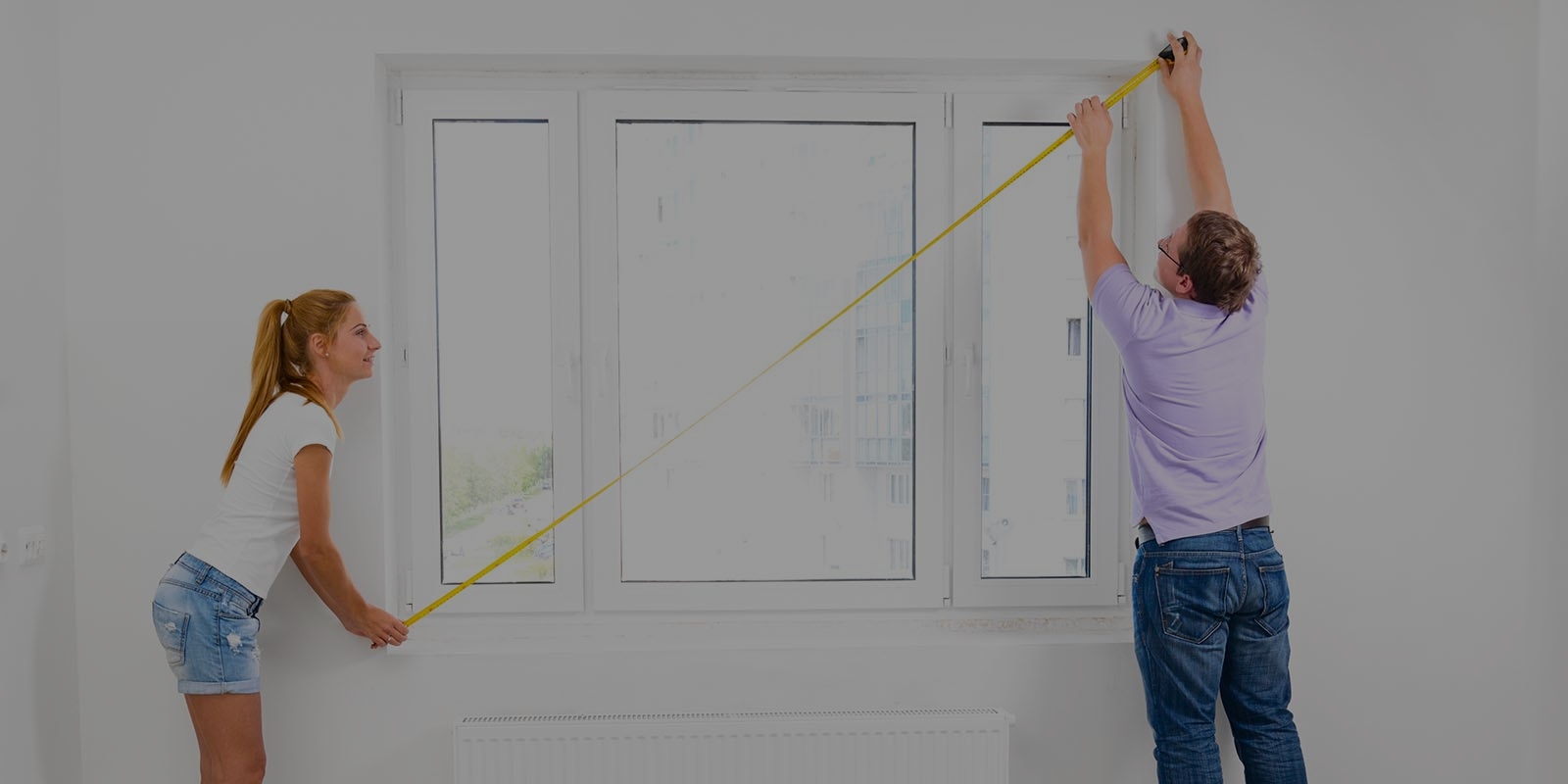


Avoid Fines When Moving Bulky Items in Plumstead SE18
Posted on 10/06/2026
If you're trying to move a sofa, wardrobe, bed frame, piano, or other bulky item in Plumstead SE18, the last thing you want is a headache from a preventable fine, delay, or complaint. Truth be told, most moving problems start with small oversights: a van parked awkwardly, an item left on the pavement too long, the wrong lifting method, or no clear plan for access. This guide explains how to avoid fines when moving bulky items in Plumstead SE18, while keeping the move safer, smoother, and a lot less stressful.
Whether you're moving out of a flat, clearing furniture from a house, or shifting a heavy item across a short distance, the same basic principle applies: plan properly, protect the street, and move in a way that respects local rules and common-sense safety. If you want a broader look at how moving support works locally, you can also explore removals in Plumstead and the wider services overview.
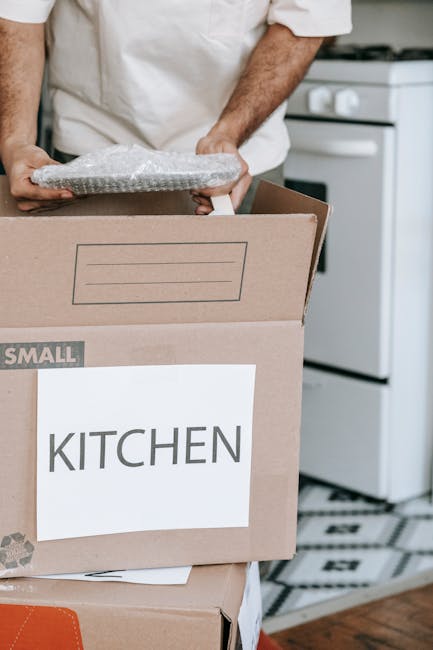
Why Avoid Fines When Moving Bulky Items in Plumstead SE18 Matters
Bulky-item moves sound simple on paper. In real life, they often involve narrow streets, shared entrances, limited parking, awkward stairwells, and neighbours who absolutely notice if a sofa blocks the pavement for ten minutes too long. That is where trouble starts. A rushed move can lead to parking issues, obstruction complaints, damage to communal areas, or unsafe handling that causes injury or property damage.
In Plumstead SE18, the cost of getting it wrong is not just financial. A badly managed move can also damage trust with landlords, neighbours, managing agents, or buyers waiting for you to clear a property. If you're leaving a rental, a sloppy bulky-item move can even complicate deposit return, especially when furniture removal leaves marks, scratches, or abandoned items behind. For that sort of situation, it helps to think ahead with resources like these cleaning tips for protecting your security deposit and decluttering advice before moving.
There's also the human side. Lugging a heavy wardrobe down a stairwell in a hurry is exactly how backs get tweaked and floors get scuffed. Not glamorous, not worth it.
Key takeaway: avoiding fines is really about avoiding poor planning. The same steps that protect you from penalties also protect your time, your health, and the people around you.
How Avoid Fines When Moving Bulky Items in Plumstead SE18 Works
The idea is straightforward: identify the risks before moving day, then reduce them one by one. A bulky-item move becomes far less likely to attract complaints or penalties when you know where the item is going, how it will get there, who will move it, and whether anything about the route could cause problems.
In practical terms, that means checking access from the property to the van, thinking about parking and loading space, deciding whether the item needs dismantling, and arranging enough hands and the right equipment. It also means making sure your move does not create a nuisance outside the property. A sofa left half on the pavement while someone "just runs back inside for a cushion" is the sort of thing that can quickly turn into a complaint. Small moment, big consequence.
If the item is particularly heavy or awkward, a professional service can make the whole process cleaner and easier to manage. Many people look at furniture removals in Plumstead or a man and van in Plumstead because those options can simplify loading, transport, and timing without overcomplicating the job.
There's another factor too: evidence of care. If you can show that you planned the move responsibly, used appropriate handling, and kept access clear, you're in a much better position if a neighbour, landlord, or building manager raises a concern.
Key Benefits and Practical Advantages
A well-managed bulky-item move does more than reduce fine risk. It makes the entire experience more predictable. And honestly, predictability is underrated when you're dealing with a fridge, wardrobe, or sofa and a very tight hallway.
- Fewer parking and access problems: a better loading plan means less chance of blocking roads, entrances, or footpaths.
- Lower risk of damage: proper lifting and protection reduce scratches, dents, and broken fittings.
- Less stress: when everyone knows the plan, there is less scrambling and less confusion.
- Better neighbour relations: a tidy, efficient move tends to draw fewer complaints.
- Safer handling: the right technique matters, particularly with stairs, corners, and wet weather.
- More control over timing: if you plan well, you're less likely to be stuck paying for delays or arranging a second trip.
There's also a commercial advantage. If you are comparing moving help, the smartest providers often make planning feel easy rather than dramatic. A good quote should reflect access, item size, and timing clearly. If you want to understand how that usually works, the page on pricing and quotes is a useful place to start.
Who This Is For and When It Makes Sense
This guidance is useful for homeowners, tenants, students, landlords, office managers, and anyone else who has to move one or more bulky items without turning the pavement into a temporary obstacle course. It's especially relevant if you live in a flat, on a busier residential street, or somewhere with limited on-street parking.
You'll also find it helpful if:
- you're moving a sofa, bed, mattress, fridge, freezer, or piano;
- you have tight stairs, narrow doors, or awkward internal corners;
- you need to move quickly and efficiently, maybe the same day;
- you're trying to avoid damage charges, neighbour complaints, or wasted time;
- you're unsure whether to do the job yourself or call for support.
For lighter, short-notice jobs, a local same-day removals service in Plumstead can be a sensible option. For larger household moves, the fuller house removals Plumstead service may be the better fit. It depends on the item, the route, and how much stress you want to take on. Lets face it, not every move deserves heroics.
Step-by-Step Guidance
If you want to avoid fines, complaints, and last-minute chaos, follow a practical sequence rather than improvising on the day. Here's the cleanest approach.
- Measure the item and the route. Check the width of doors, hallways, stairs, lifts, and any tight turns. This is the bit people skip, then regret.
- Decide whether the item should be dismantled. Beds, wardrobes, and some tables are far easier to move in parts. If you need help with beds specifically, bed and mattress moving tips can help you plan properly.
- Protect floors, walls, and corners. Use blankets, sliders, wrap, and corner protection where appropriate.
- Book the right vehicle and time slot. Don't assume any van will do. The size of the item and the parking conditions matter.
- Confirm access and parking. If a loading bay, driveway, or outside space is needed, make sure it is genuinely workable and not just "probably fine".
- Use the right number of people. One person trying to wrestle a heavy item alone is how damage happens. If you're tempted to try that route, read how to lift heavy objects safely first.
- Move the item efficiently. Keep the route clear, communicate clearly, and load without leaving the item exposed longer than necessary.
- Check the area after loading. Make sure no straps, screws, packaging, or debris are left behind.
That last step sounds small. It isn't. A tidy departure leaves a better impression and reduces the chance of follow-up complaints.
Expert Tips for Better Results
Here's where a few practical details make a real difference. Small adjustments can save you from awkward situations later.
1. Plan around the street, not just the item
People often focus entirely on lifting, then forget the outside environment. Is there room for the van to stop safely? Is there enough turning space? Will the item be visible to passing pedestrians if you pause mid-load? These questions matter. A move that looks fine from the front room can be a mess at the kerb.
2. Use a soft landing strategy
If you're taking a bulky item down stairs, line up blankets or protective pads at pinch points before you start. That way, if the item swings or catches, the damage is far less likely. A quiet hallway, a held breath, a careful shuffle - that's the sort of rhythm you want.
3. Reduce size before you reduce strength
Taking off legs, shelves, doors, or drawers often makes more difference than trying to muscle through. Reducing size usually reduces risk. A wardrobe that fits an awkward stairwell after dismantling is suddenly a manageable object.
4. Choose timing with local traffic in mind
If you can avoid busy periods, do. Early morning or a calmer midweek slot may be easier than a rushed late-afternoon move. If you're not sure when it makes sense to book, this guide on the best times to book a van offers practical timing insight.
5. Treat compliance as part of the move, not an afterthought
People sometimes think paperwork and planning are only for big removals. Not really. Even a single bulky-item move can go sideways if the booking terms, insurance cover, or access expectations are unclear. It's boring until it isn't.
If you want extra reassurance, a company that treats safety seriously should make this visible in its approach to insurance and safety and health and safety policy.
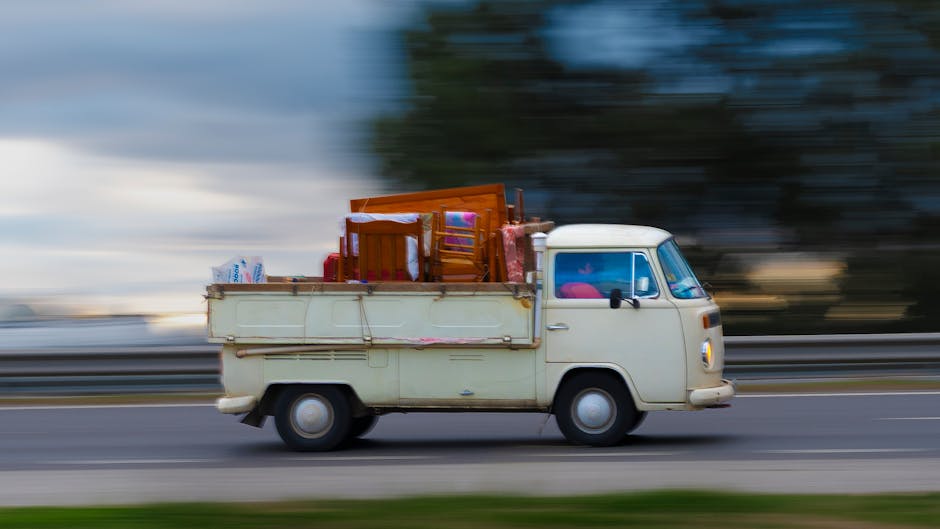
Common Mistakes to Avoid
Most avoidable fines and disputes come from a surprisingly short list of mistakes. Not dramatic mistakes, either. Just ordinary oversights done at the wrong moment.
- Leaving items on the pavement too long: this is one of the easiest ways to attract attention.
- Blocking shared entrances or emergency access: even briefly, this can create a real problem.
- Underestimating the weight: "It looks manageable" is how people end up wobbling halfway down a corridor.
- Using the wrong van size: too small means extra trips; too large can create parking stress.
- Forgetting building rules: flats and managed properties often have their own access expectations.
- Ignoring protective materials: one scuffed wall can be more expensive than the time saved.
- Trying to move without enough help: a second pair of hands is often the difference between smooth and messy.
Another common one? Assuming the job will be fine because it is "only across the road." A short move can still be a risky move if the item is heavy, valuable, or hard to control. Distance doesn't magically reduce gravity.
Tools, Resources and Recommendations
You do not need a van full of specialist kit for every job, but having a few sensible tools on hand can make bulky-item moving safer and cleaner.
| Tool or Resource | Why It Helps | Best Used For |
|---|---|---|
| Furniture blankets | Protects surfaces from scratches and knocks | Sofas, wardrobes, tables, white goods |
| Straps and ties | Helps secure loads during transport | Heavy or stacked items in the van |
| Gloves with grip | Improves control and reduces hand strain | All bulky-item handling |
| Sliders or dolly | Makes repositioning less physically demanding | Short internal moves across floors |
| Packaging materials | Protects loose parts and keeps hardware together | Disassembled furniture and fittings |
If you're not sure what you need, it can help to review broader packing guidance like packing and boxes in Plumstead or, for storage-related moves, storage in Plumstead. For items that won't be moved immediately, a nearby storage option can reduce pressure and help you avoid rushed decisions.
Some households also need a way to dispose of older bulky items responsibly rather than simply shifting them from one place to another. If that applies, the recycling and sustainability page is worth a look before you decide what stays, what goes, and what needs special handling.
Law, Compliance, Standards, or Best Practice
This topic sits in the overlap between moving practice, public-space courtesy, and general safety. While specific council rules or enforcement decisions can vary, the basic expectations are fairly consistent across London: do not obstruct roads or pavements, do not create unnecessary hazards, and do not leave items in a way that causes nuisance or danger.
Best practice usually includes:
- keeping the route as clear as possible;
- avoiding prolonged pavement blockage;
- using safe manual handling methods;
- following any building or landlord access instructions;
- checking whether parking or loading arrangements are suitable before the move starts;
- making sure your mover or van service explains any relevant terms clearly.
For customers, it's sensible to read service conditions carefully and know what is covered. Pages such as terms and conditions, payment and security, and privacy policy help build trust and transparency. If something ever goes wrong, a clear complaints procedure matters too.
In short: you do not need to become a rules expert, but you do need to move like someone who respects the space, the building, and the people around you.
Options, Methods, or Comparison Table
There are usually three practical ways to handle a bulky-item move in Plumstead SE18. The best choice depends on the item, the access, and how much risk you're willing to take on.
| Method | Best For | Pros | Trade-offs |
|---|---|---|---|
| DIY with help from friends | Simple, short moves with easy access | Flexible, low upfront cost | Higher injury risk, less control, more chance of mistakes |
| Man and van support | Single items or a few bulky pieces | Efficient, practical, often easier to schedule | Depends on access and load size; still needs planning |
| Full removals service | Larger household moves or multiple heavy items | More complete support, better for complex jobs | Usually more than you need for a very small job |
If you're moving a single sofa or fridge, a targeted service is often the sweet spot. If you're moving the contents of a whole flat, a broader service can save time and reduce stress. A good comparison is not just price. It's safety, access, and how likely the move is to go smoothly the first time.
Case Study or Real-World Example
A typical Plumstead scenario goes like this: a tenant needs to move a heavy wardrobe out of a first-floor flat before the end of the tenancy. The hallway is narrow, the stairs turn sharply halfway down, and there's limited parking outside. At first, they consider a quick DIY lift with a friend. Then they notice the wardrobe door will catch the banister, and the lift would leave the item resting awkwardly on the pavement while they wait for the van.
Instead, they dismantle the wardrobe, protect the route with blankets, and book transport for a quieter time slot. They also make sure the loading point is clear and that the item does not sit outside for long. The move ends up taking less time than expected, with no damage, no neighbour complaints, and no fines or awkward follow-up messages. Pretty ideal, really.
The lesson is simple: the successful move wasn't about strength. It was about sequencing, planning, and respecting the space.
Practical Checklist
Use this checklist before moving any bulky item in Plumstead SE18.
- Measure the item and the route from room to van.
- Check doors, stairs, corners, and lift access.
- Decide whether dismantling is needed.
- Protect floors, walls, and shared areas.
- Confirm parking and loading space.
- Choose a time that reduces congestion and delay risk.
- Gather enough people for the lift.
- Use gloves, straps, blankets, or sliders where appropriate.
- Keep the pavement and entrance clear.
- Remove packaging, screws, and loose parts after loading.
- Check booking terms, safety expectations, and any building access rules.
- Take a breath before lifting. Seriously. It helps more than you'd think.
Get a free quote today and see how much you can save.
Conclusion
Avoiding fines when moving bulky items in Plumstead SE18 is not about being overly cautious. It's about being organised, respectful, and realistic about what the move actually involves. The smoother the planning, the less likely you are to face parking issues, complaints, damage, or unnecessary stress. And once you've done one move properly, you tend to notice the difference straight away.
If you're moving furniture, a mattress, a piano, or any awkward heavy item, choose the approach that fits the route and the load, not just the cheapest or fastest option. A little planning now can save a lot of bother later. Sometimes that's the whole game.
For support with local bulky-item moving, you can also explore man with a van in Plumstead or read more about the team on the about us page.