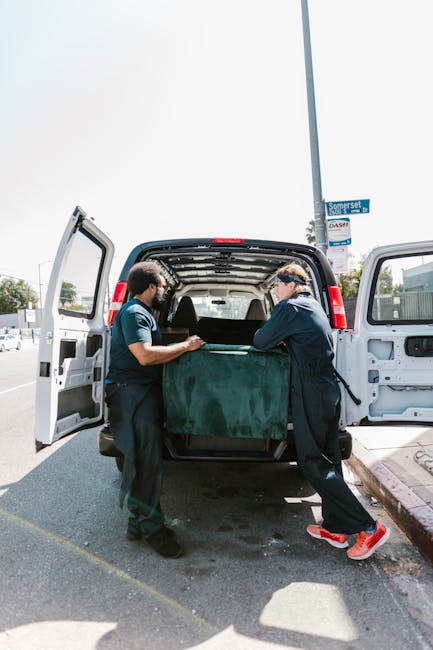
Bostall Estate small furniture removals parking and route tips
If you are planning a small furniture move in Bostall Estate, the parking and route side of the job can matter just as much as the lifting. A sofa that fits easily through a doorway can still turn into a headache if the van is blocked in, the turning circle is tight, or you end up carrying a wardrobe farther than you expected. That is exactly why Bostall Estate small furniture removals parking and route tips are so useful: they help you save time, reduce risk, and make the whole move feel calmer from the start.
Truth be told, most people do not think about the access details until moving day is already under way. Then the clock starts ticking. A quick plan for where to stop, which streets are easiest to approach, and how to load the van can save a surprising amount of stress. In this guide, we will walk through the practical side of small removals in Bostall Estate, from route planning and parking habits to common mistakes, local best practice, and a simple checklist you can actually use.
One small thing makes a big difference here: a move that looks "small" on paper can still be awkward in real life. A couple of bulky items, a narrow road, a neighbour's parked car, and a low-hanging branch can all shape the day. Let's make that easier.
Table of Contents
- Why parking and route planning matter in Bostall Estate
- How small furniture removals typically work in the area
- Key benefits and practical advantages
- Who this is for and when it makes sense
- Step-by-step guidance for a smoother move
- Expert tips for better results
- Common mistakes to avoid
- Tools, resources and recommendations
- Law, compliance and best practice
- Options, methods and comparison table
- Case study: a real-world small move scenario
- Practical checklist
- Conclusion
- Frequently Asked Questions
Why Bostall Estate small furniture removals parking and route tips Matters
Bostall Estate has the kind of access challenges that are easy to underestimate. Some streets are straightforward enough, but others can feel tight once a van is parked and doors are open. If you are moving a bed base, a dining table, flat-pack furniture, or a couple of heavy chairs, a poor parking choice can add extra carrying distance and extra strain. That sounds minor. It rarely feels minor at 8:15 in the morning with a mattress in your hands.
Parking and route planning matter because small removals are often time-sensitive and space-sensitive. You may not need a full-size lorry, but you still need a sensible stopping point, enough room for unloading, and a route that avoids unnecessary reversing or awkward turns. In a residential area like Bostall Estate, being tidy, predictable, and considerate also helps keep neighbours onside. Nobody wants to block a driveway or get in a stand-off over a van that has nowhere else to go.
There is also the comfort factor. Good route planning keeps your move feeling under control. Instead of improvising, you can arrive with a plan, know where the van is likely to fit, and focus on the furniture itself. That calm is worth a lot. It keeps the job safer, quicker, and usually cheaper too.
Expert summary: if you only remember one thing, make it this - the shortest walking route from van to front door is often more valuable than the shortest driving route to the postcode. For small furniture removals, access beats distance almost every time.
How Bostall Estate small furniture removals parking and route tips Works
The idea is simple: match the size of the move to the access available. That means planning the van size, the likely road approach, where the vehicle can pause, and how the furniture will be carried. It does not need to be complicated, but it does need a little thought.
In practical terms, a small furniture removal in Bostall Estate usually follows this pattern:
- Check the items and decide whether a man and van style move is enough.
- Identify the safest route into the estate and the nearest practical stopping point.
- Look for restrictions such as resident bays, yellow lines, narrow corners, or awkward junctions.
- Load the heaviest and most stable items first so the vehicle rides safely.
- Move the furniture in a sequence that reduces backtracking inside the property.
That sequence sounds obvious, but in real life people often reverse it. They start loading without checking if the van can stay nearby. Then one small snag creates four more. A better plan begins outside the property, not inside it.
Small furniture removals are usually best when the van can get reasonably close to the entrance, even if it cannot park directly outside the door for long. In some cases, a short stop for loading or unloading is all you need. In others, you may have to work around resident parking or limited waiting space. The key is to be flexible without becoming sloppy.
Another practical point: route planning should account for the return journey, not just the outward trip. If you are picking up items from a second address, especially later in the day, the road conditions may change with school runs, commuter traffic, or local parking demand. A route that feels easy at one time of day can feel a lot tighter an hour later. Funny how that happens.
Key Benefits and Practical Advantages
Getting the access plan right can improve the move in ways people do not always notice straight away. Here are the main advantages.
- Less carrying distance: closer parking means less walking with heavy or awkward items.
- Lower damage risk: fewer corners, fewer bumps, and less chance of catching walls or railings.
- Better time control: you spend less time circling streets or moving items twice.
- Less physical strain: useful if you are moving solo, are short on helpers, or have heavy furniture.
- Cleaner teamwork: one person can manage the van while another handles the property side.
- Fewer neighbour issues: a tidy, brief stop is less disruptive than repeated repositioning.
There is also a confidence benefit. People often underestimate how much easier a move feels when the route and parking are already thought through. You do not waste energy on guessing. That matters on the day, especially if the weather is wet or the stairs are awkward. A damp morning and a heavy cabinet is nobody's favourite combination.
For customers comparing removal options, this is where a smaller vehicle can be a real advantage. A compact van is often more manageable on residential streets than a larger removal truck, particularly where turning space is limited. You still need care, of course, but the margin for error is better.
Who This Is For and When It Makes Sense
This kind of planning is especially helpful for:
- students and renters moving a few key items
- people collecting furniture from family, storage, or online marketplaces
- households moving beds, wardrobes, tables, or sofas without a full house load
- small office or workspace moves with desks, chairs, and compact equipment
- anyone in Bostall Estate who wants a straightforward, low-drama moving day
It also makes sense if you are dealing with tight time windows. Maybe the lift is booked for only a short slot. Maybe you have to hand keys back before lunchtime. Maybe the weather forecast is poor and you do not want to be wrestling with a mattress in the rain for half an hour. Been there, and it is not fun.
If your furniture is bulky but the job itself is modest, route and parking strategy becomes more important than sheer manpower. In other words, you may not need a huge crew. You need the right approach. That distinction saves money and avoids overbooking a vehicle you do not actually need.
It is also worth saying that these tips are not just for private households. Landlords, letting agents, flat sharers, and local businesses can all benefit when access is planned properly. A few minutes spent thinking about where the van will sit can prevent a very long afternoon later on.
Step-by-Step Guidance
Here is a practical way to approach a small furniture move in Bostall Estate without turning it into a chess match.
1. List the items clearly
Write down the furniture items and note anything awkward: size, weight, fragility, shape, or whether it can be dismantled. A flat-pack desk is a different job from a solid oak chest of drawers. Obviously. But people still forget to separate the two when booking.
2. Check the access at both ends
Look at the pickup and drop-off points. Can a van stop close enough to the entrance? Is there a safe place to wait briefly while loading? Are there tight bends, speed bumps, narrow sections, or parked cars that may affect approach? Even a quick walk outside can reveal something that maps alone will not show.
3. Choose the most sensible route, not just the shortest one
The shortest route on paper may not be the easiest for a van. A route with fewer awkward turns or less congestion can be better, even if it takes a minute longer. That is especially true when furniture needs to be kept stable and access needs to stay calm.
4. Plan parking with the unload in mind
Think about where the van door opens and how the items will come out. If the sofa is first off, make sure it is not blocked by boxes or a pile of smaller items. If a cabinet needs to be carried upright, give yourself room to pivot. Small details like this stop the whole process feeling rushed.
5. Prepare the property
Clear the hallway, protect corners if needed, and keep shoes, pet bowls, and loose clutter out of the way. You do not want to be stepping over random bits while carrying a sideboard. That is how daft little accidents happen.
6. Load in a stable order
Heavier items usually go first, placed so they cannot shift. Softer items can fill gaps, but do not create a wobbly tower because "it will be fine." It probably will not be fine. Secure the load properly.
7. Keep one person thinking ahead
If there are two or more people involved, one person should always be thinking about the next move: open the door, hold the route clear, guide the van in, or check the furniture path. That small role prevents a lot of stop-start confusion.
8. Leave a few minutes of breathing space
Small removals often go well when they are not squeezed too tightly. If you can avoid stacking appointments back to back, you will thank yourself later. A little slack in the schedule is not laziness. It is sensible.
Expert Tips for Better Results
In our experience, the moves that go best are rarely the ones with the fanciest equipment. They are the ones where someone has thought through the practical annoyances before the van arrives.
Use the nearest legal stop point, not the most convenient-looking one. That sounds dull, but it saves trouble. A stop that blocks a driveway or sits too close to a junction can slow everything down, and in some cases create avoidable conflict. Better to walk an extra few metres than to make the whole street grumble.
Measure the awkward items. If a wardrobe or bed frame is close to the width of a hallway, measure it. Do not guess. Guessing is fine for pub quizzes, not doorframes.
Disassemble where it genuinely helps. Some items are easier, safer, and quicker if taken apart first. Not every screw needs removing, but if a bed base or table leg makes a major difference to carry space, do it. Keep fittings in a labelled bag. Tiny bit of admin, big payoff.
Protect the path you will use most. Focus on the hallway, stair corners, and the threshold to the property. Those are the places where dings and scrapes happen. A blanket or simple protector can save a lot of regret.
Be honest about what the van can handle. Small furniture removals are not about squeezing in one last item because it "might fit." If the load is already sensible, leave it there. Overloading makes the route planning pointless anyway.
Think about timing around the estate. Early morning and late afternoon can feel very different in local traffic patterns. If you can shift your slot slightly, you may find parking easier and stress lower. Sometimes fifteen minutes really does matter.
One more thing: if you are collecting furniture from multiple places, keep the order of stops logical. Put the most awkward or time-sensitive pickup first if parking is usually better early in the day. That small decision can save a loop back through busy streets.
Common Mistakes to Avoid
Some problems come up again and again. Luckily, they are avoidable.
- Assuming parking will be easy: residential streets can fill quickly, even for a short move.
- Not checking the exit route: getting into a spot is one thing; getting out smoothly is another.
- Forgetting about neighbours' vehicles: a blocked shared access point can turn a small job into an awkward one.
- Leaving fragile items to the end without protection: once the van gets busy, things get bumped.
- Underestimating time: loading usually takes longer than people think, especially with stairs.
- Skipping the weather check: a wet pavement changes handling, pace, and safety.
Another common one is booking a vehicle based only on item count. A move can look light on paper and still be fiddly because of access, parking, or the shape of the furniture. That is why planning for route and stopping space matters so much. Not glamorous, but practical.
And yes, we have all seen the person who says, "I'm sure it'll fit." Sometimes it does. Sometimes it becomes a two-person puzzle in the road. You know how it goes.
Tools, Resources and Recommendations
You do not need a van full of specialist kit for a small furniture move, but a few basics help a great deal.
- Furniture blankets or moving pads: useful for sofas, tables, and corners.
- Straps or tie-downs: keep items steady in transit.
- Gloves: improve grip and reduce scratched knuckles.
- Tube or bubble wrap: handy for edges, mirrors, and delicate surfaces.
- Labels and marker pens: make dismantled parts easier to reunite later.
- Measuring tape: simple, cheap, and often the difference between yes and no.
For related guidance, it can also help to read about broader moving planning and cost expectations. If you are weighing whether to use a van-only service or a fuller option, the comparison in this removals price comparison for Plumstead can give you useful context. If you want a wider overview of what a flexible moving service can cover, see man and van options and general removal services.
If your move involves a larger item collection, such as one-off furniture pickups, the page on furniture pick-up is also a sensible place to start. For customers wanting background on booking, pricing, and service standards, pricing and quotes is worth a look too.
Law, Compliance, Standards, or Best Practice
Parking and access for removals may look simple, but a bit of care keeps the move on the right side of common UK road and property expectations. You should always avoid blocking driveways, crossing pavements in a way that creates a hazard, or stopping where the vehicle could cause danger to other road users. If a road or bay has restrictions, respect them. That is just the sensible baseline.
For local moves, best practice usually means parking only where the vehicle can load safely, without forcing pedestrians into the carriageway or leaving doors open in a way that creates risk. If you are in a shared block, check building rules for lift use, loading bays, or access times. Some small moves do not need formal permissions, but access rules can still apply. Better to ask once than to argue later.
If you are arranging a commercial or larger residential move, it may also be useful to review service expectations around safety and insurance. The pages on insurance and safety and health and safety policy set out the kind of standards a professional mover should take seriously. For booking terms, payment handling, and service boundaries, terms and conditions and payment and security are also relevant.
One practical note: if a move involves items going to disposal or onward collection, think carefully about how waste and unwanted furniture are handled. If you are unsure about the best route for old bulky items, the article on disposing of an old sofa in SE18 may help frame the decision. Best practice is usually the boring option, and boring is often safer. That is not a bad thing.
Options, Methods, or Comparison Table
Small furniture removals in Bostall Estate can be handled in a few different ways. The right choice depends on access, budget, and how much lifting you want to do yourself.
| Option | Best for | Pros | Watch-outs |
|---|---|---|---|
| Self-drive van hire | People confident driving and loading | Flexible timing, hands-on control | You manage parking, loading, and route planning alone |
| Man and van service | Small moves with a few heavy items | More practical help, usually easier for tight access | You still need to plan parking and access well |
| Full removal company | Larger home moves or multiple rooms | Less physical work, more structured handling | Often more than needed for a small furniture job |
| Furniture-only collection | Single item or online marketplace pickups | Efficient, simple, often quick | Needs accurate timing and pickup details |
For most small furniture removals in a residential area, a van-based service lands in the sweet spot. It gives you enough support without paying for a bigger operation than you need. If the access is especially tight, it may even be the cleaner choice because a smaller vehicle is easier to place without drama.
There is no one perfect method, to be fair. The best option is the one that fits the street as well as the furniture.
Case Study or Real-World Example
Here is a typical Bostall Estate-style scenario. A household needs to move a three-seater sofa, a dining table, four chairs, and a bed frame from a first-floor flat to a nearby address. On paper, it is a small job. In practice, the access is the challenge.
The first address sits on a residential street where parking is often already tight by late morning. Rather than arriving with no plan, the mover checks for a sensible stop point a short walk from the entrance and arrives early. The sofa is wrapped, the table legs are removed, and the bed frame parts are labelled so nothing gets mixed up. The van is parked so that unloading is one clean sequence rather than a series of little shuffles.
At the second address, the route is slightly different because the road layout gives a better turning option from the opposite direction. That tiny adjustment means no awkward reversing and no waiting behind another vehicle while trying to unload a mattress. It is not flashy, but it works.
The result is a move that feels organised rather than exhausting. No damage to walls, no long carry from a poor parking spot, and no last-minute panic about whether the sofa will fit through the hallway. Nothing magical. Just good planning.
That is the pattern worth copying: check the access, keep the load simple, and choose the route that makes the physical work easier. The furniture itself is only half the job.
Practical Checklist
Use this checklist before moving day. It keeps things grounded and saves those small, silly mistakes that can throw everything off.
- Measure large or awkward furniture items
- Confirm where the van can stop safely
- Check for resident bays, yellow lines, or other restrictions
- Plan the route to avoid unnecessary turns or bottlenecks
- Disassemble furniture if it will genuinely help
- Label screws, bolts, and fittings in sealed bags
- Protect floors, corners, and doorframes where needed
- Pack straps, blankets, gloves, and tape
- Keep walkways clear inside the property
- Allow extra time for loading and traffic
- Have a backup parking idea in case the first choice is taken
- Check weather conditions before setting off
Quick reminder: the best moving plan is usually the one that leaves room for one small surprise. Because there is almost always one. A parked car, a missed stair, a door that opens the wrong way - you know the sort of thing.
Conclusion
Bostall Estate small furniture removals parking and route tips are really about one thing: making a modest move feel manageable. When you think ahead about where the van will stop, which road is easiest to approach, and how the furniture will be carried, the whole day gets easier. Less strain. Less wasted time. Less frustration with avoidable access problems.
If you are moving just a few items, the details matter even more, not less. A small job can become oddly tiring when parking is poor or the route is awkward. But with a sensible plan, the work becomes straightforward, and even a slightly messy street starts to feel workable. That is usually the difference between a stressful day and a decent one.
Get a free quote today and see how much you can save.
When in doubt, keep the plan simple, the route practical, and the load secure. That is the calmest way through, and honestly, the nicest way to move.
Frequently Asked Questions
What is the main benefit of planning parking for a small furniture move in Bostall Estate?
The biggest benefit is reducing the carrying distance between the van and the property. That cuts down on time, physical strain, and the chance of damaging furniture or walls.
Do I need a large removals truck for a small move?
Usually not. For a few furniture items, a smaller van or man and van service is often more suitable because it is easier to position on residential streets and more economical for a modest load.
How early should I plan the route before moving day?
Ideally, check the route and parking options the day before, or at least a few hours ahead if the move is local. A quick look at access can prevent last-minute stress and awkward parking choices.
What should I do if parking is tight near the property?
Look for the nearest lawful stopping point rather than trying to force a stop directly outside the door. It is often better to walk a short distance with the items than to risk blocking traffic or creating a safety issue.
Can small furniture removals be done without help?
Yes, some can, especially if the items are light or already dismantled. But heavy, awkward, or bulky pieces are much safer with support, even if that is just one extra pair of hands.
What route issues are common in residential areas like Bostall Estate?
Common issues include narrow roads, parked cars, tight corners, and limited turning room. These are not always a problem, but they do need checking before a van arrives.
Should I dismantle furniture before the move?
If dismantling makes the item easier to carry or gives you a safer route through the property, yes. Keep all fixings together in a labelled bag so reassembly is simpler later.
How do I avoid damaging doorframes and walls?
Clear the route in advance, move slowly around corners, and use blankets or protectors where the furniture may scrape. The first few seconds at each corner matter more than people think.
Is a same-day move realistic for a small furniture collection?
Often yes, provided the item list is clear and the access is straightforward. If parking or route access is uncertain, you may need to build in a little more time.
What are the most common mistakes people make with small removals?
The most common mistakes are assuming parking will be easy, not measuring large items, underestimating how long loading takes, and forgetting to check access at both ends of the move.
How can I compare a van-only move with a fuller removal service?
Think about the number of items, the amount of lifting involved, and the complexity of the access. A van-only move suits smaller loads and shorter jobs, while a fuller service is better for larger or more complicated relocations.
Where can I learn more about pricing and service options?
You can start with the site's pricing information and related moving guides, especially where they explain what affects cost, access, and the kind of support you actually need for the job.